
Seed Magazine
We live in a time when change is advancing faster than our ability to understand it. Major technological, environmental and social transformations are redefining the very meaning of inhabiting, designing and being human. In this context, complexity is not an obstacle to be simplified, but a condition to be understood. Doing so requires bringing together disciplines, perspectives and expertise, creating new connections between research, design, science, culture and society.
Seed Magazine was born from this conviction. As the editorial platform of Seed – Design Actions for the Future, it brings together ideas, perspectives and tools to help interpret the present and imagine possible futures. It is not a publication intended solely for specialists, but an open forum where designers, researchers, philosophers, artists and citizens can engage with the issues shaping our time.
Because understanding the future is not about predicting it, but about developing the ability to ask the right questions. And every answer begins with the meeting of different forms of knowledge, driven by curiosity and a shared commitment to knowledge as a common good.
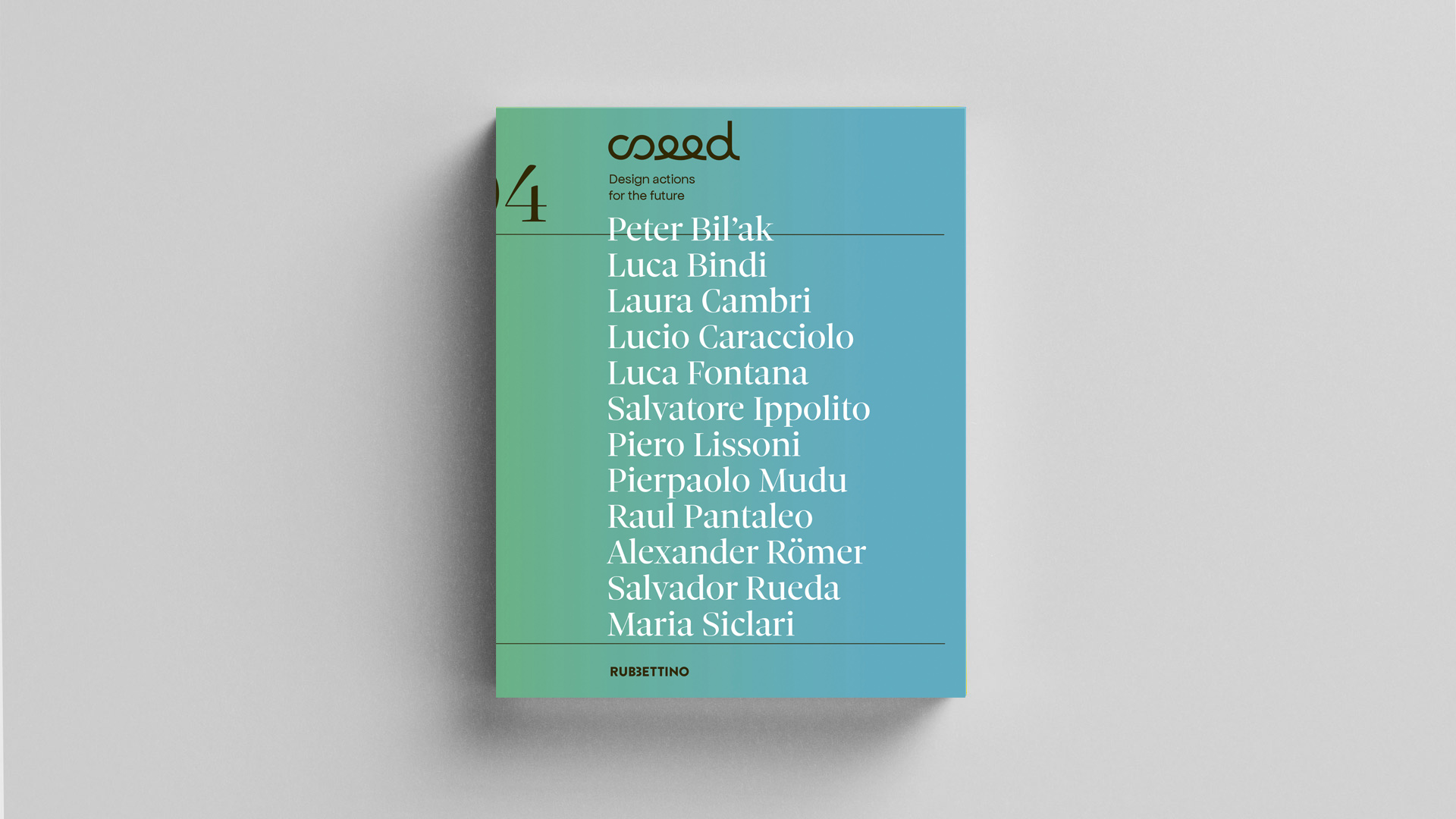
VOL. 04
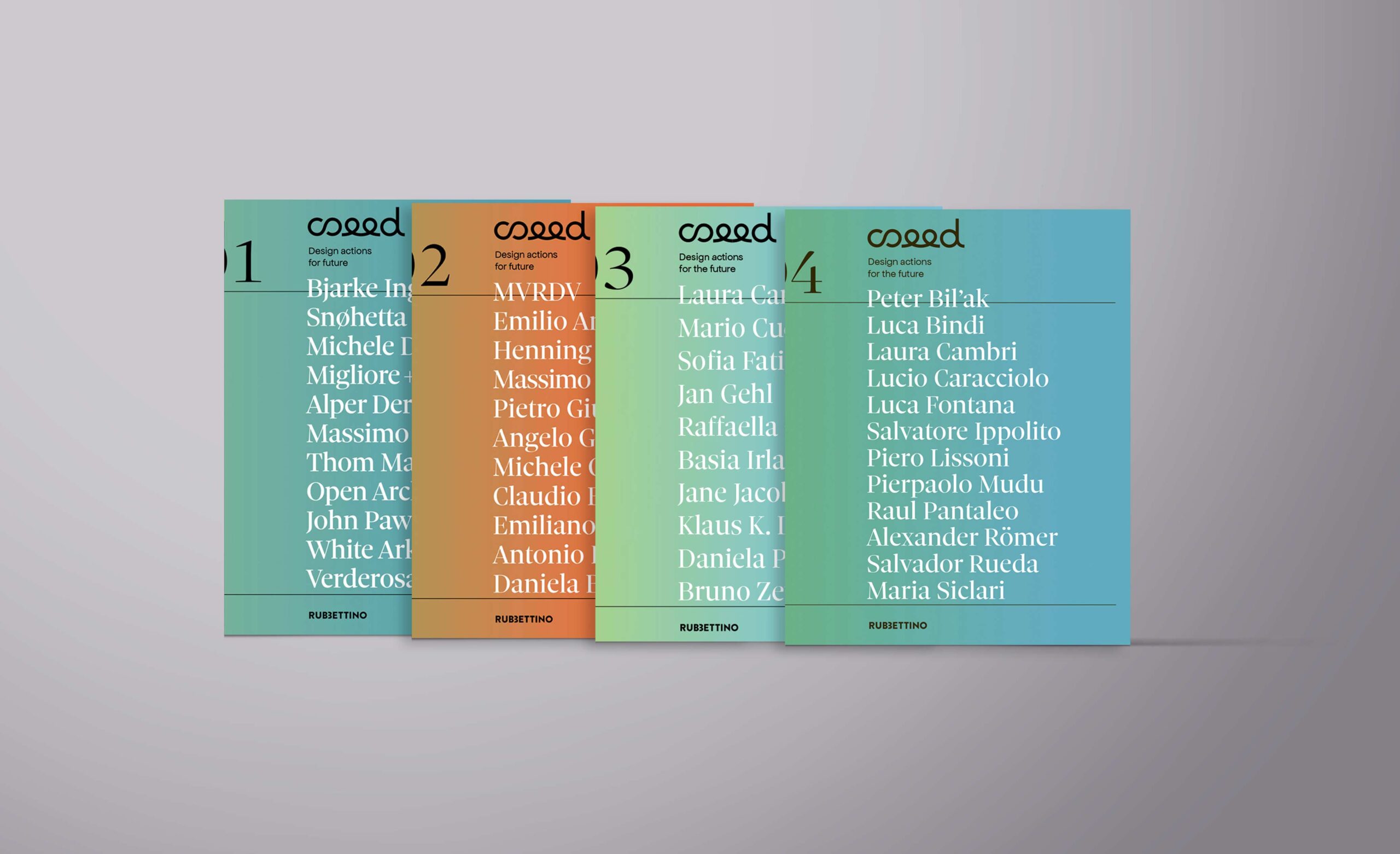
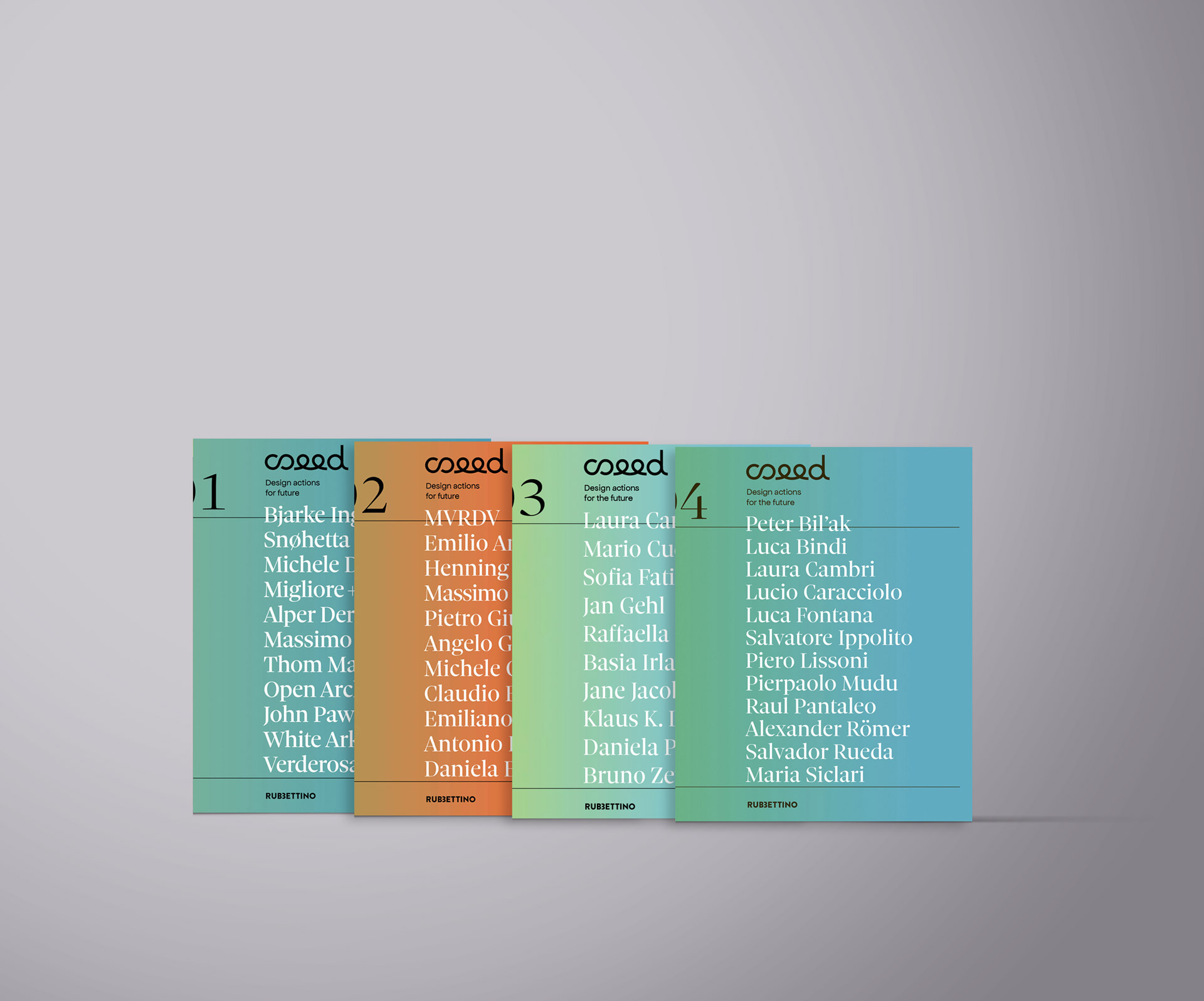
Architecture and Design Editorial Series
The Paradox of Complexity | Global society between imbalances and conflicts. Social cohesion as the key to the future
If, every morning, we reminded ourselves of Socrates’ dictum, “I know that I know nothing,” the world might be more self-aware and less vulnerable to oversimplification. The paradox of science is that the more we discover, the more we realise how much remains unknown. Every advance deepens our awareness of complexity and of the limits of our own understanding. Knowledge grows exponentially, accelerating with each new discovery and making it impossible for any one individual to master the entirety of human knowledge. This relentless expansion brings ethical and social challenges that demand adaptability and critical thinking.
The Dunning–Kruger effect explains why those with limited knowledge often overestimate their expertise, while those with genuine expertise are more likely to question themselves. It is precisely this capacity for doubt that, as Descartes argued, lies at the heart of true knowledge. Today, in an age increasingly shaped by artificial intelligence, only humility and an awareness of complexity can protect us from populism and collective ignorance.

Seed Magazine
VOL. 03
Architecture and Design Editorial Series
At the edge of reality | Equilibrium and Dis-Equilibrium: these opposites
The boundary between balance and imbalance depends on proportion, ethics, priorities and perspective. In a complex and constantly changing social context, every action redefines its own limits in real time, much like the work of tightrope walkers, surgeons or astrophysicists. In architecture—a discipline that brings together science and art—this balance is fundamental, encompassing technology, the environment, perception, history and human needs.
In the age we inhabit—variously described as the Anthropocene, the Technocene or the Capitalocene—instability and uncertainty have become defining conditions. The era of post-truth, shaped by fake news and fabricated realities, undermines our capacity for critical judgement, making culture our most powerful means of defence. Increasing polarisation erodes the nuances of thought: empathy, tolerance and wisdom begin to disappear. Balance becomes ever more fragile, and we find ourselves like tightrope walkers suspended above the wire of truth, on the edge of an increasingly elusive reality.
Seed Magazine
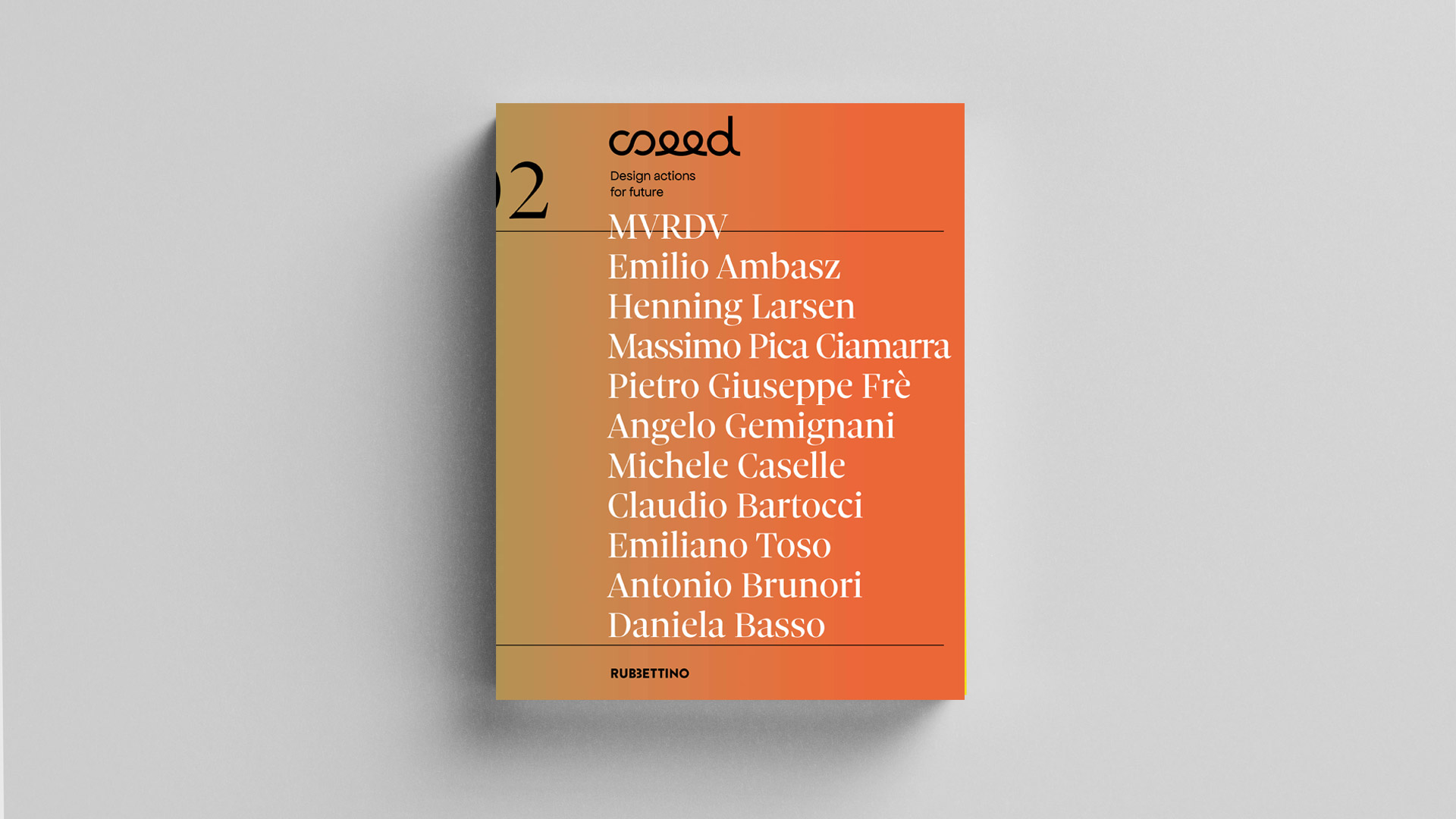
VOL. 02
Architecture and Design Editorial Series
Inhabiting complexity | Freedom of thought and complexity of phenomena
Architectural design today requires a meta-disciplinary approach, one that is capable of interpreting the complexity of contemporary challenges through systemic models of knowledge. Unlike simple interdisciplinarity, meta-disciplinarity integrates different languages, methods and ways of thinking in order to address environmental, social and cultural issues. Design thus becomes both an interpretative and transformative tool, operating across multiple scales while engaging with diverse fields of knowledge.
The hybridisation of techniques, the cross-fertilisation of languages and the manipulation of forms are not departures from the discipline, but essential drivers of innovation. Only by moving beyond the traditional divide between theory and practice, and between the qualitative and quantitative sciences, can architecture respond effectively to the challenges of our time. The dialogue between different forms of knowledge therefore becomes fertile ground for developing solutions that are complex, inclusive and enduring.
Seed Magazine
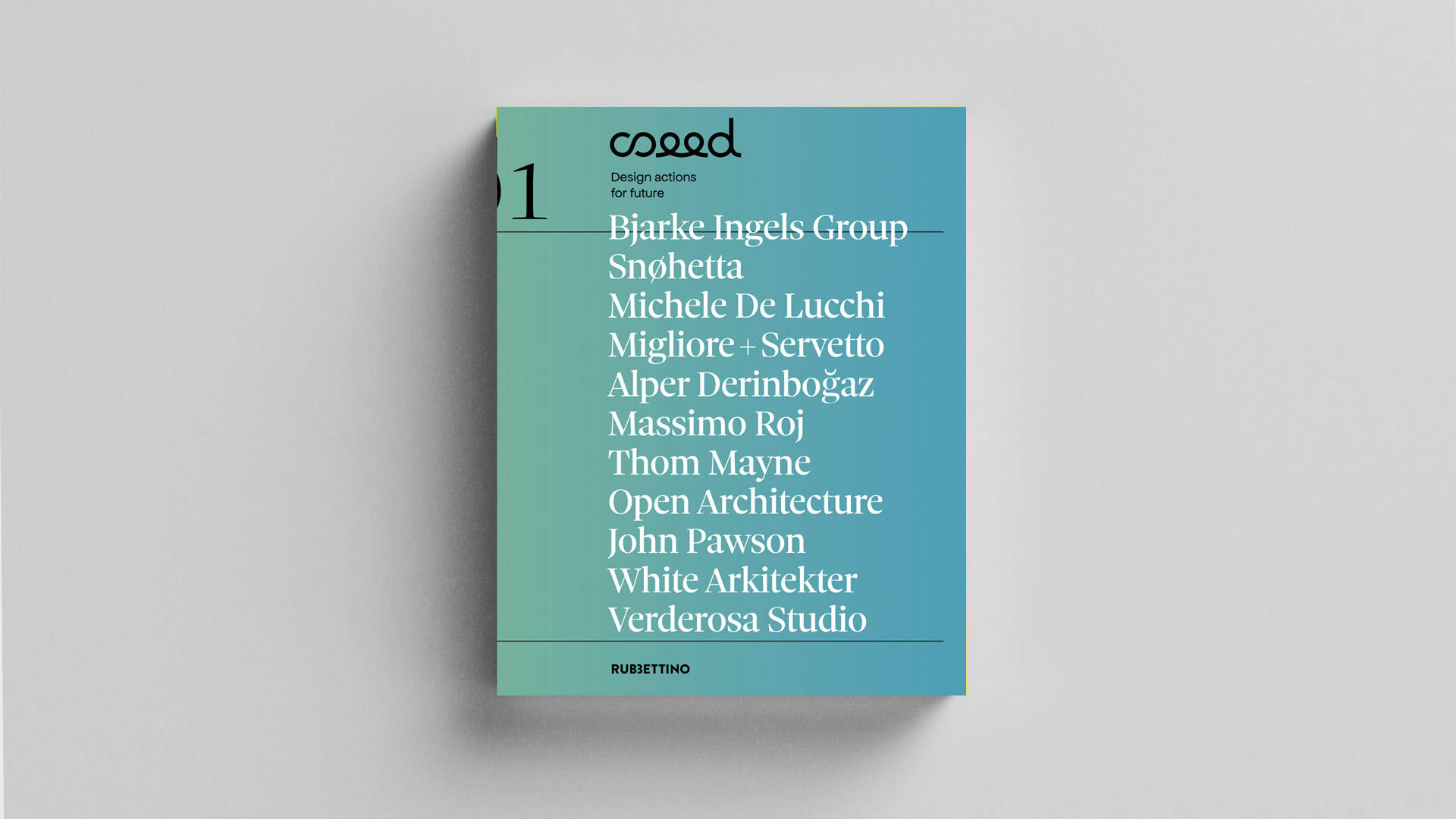
VOL. 01
Architecture and Design Publishing Series
Signals from the future | Visions from the present
The future is advancing faster than we can imagine, driven by an exponential acceleration in artificial intelligence, nanotechnology, genetics and quantum science. This technological momentum has fundamentally reshaped the way we live: whereas we once sought to bring about change, today we are increasingly striving to mitigate its consequences. Ice caps are melting, ecosystems are being disrupted, plastic is entering the food chain, and personal freedom is challenged by the pervasive reach of big data.
We live in an age dominated by programming and predictability, where evolution is becoming increasingly technological rather than biological. Hyperintelligence, collaborative robots (cobots) and quantum reality are blurring the boundaries between truth and falsehood. The transition from the Anthropocene to the Novacene marks a profound cultural turning point, bringing with it both hope and uncertainty. Yet thinkers such as Hans Rosling encourage us to look beyond fear, reminding us that, in many respects, the world is doing better than we often believe.