


Søren Pihlmann: Architecture as Transformation
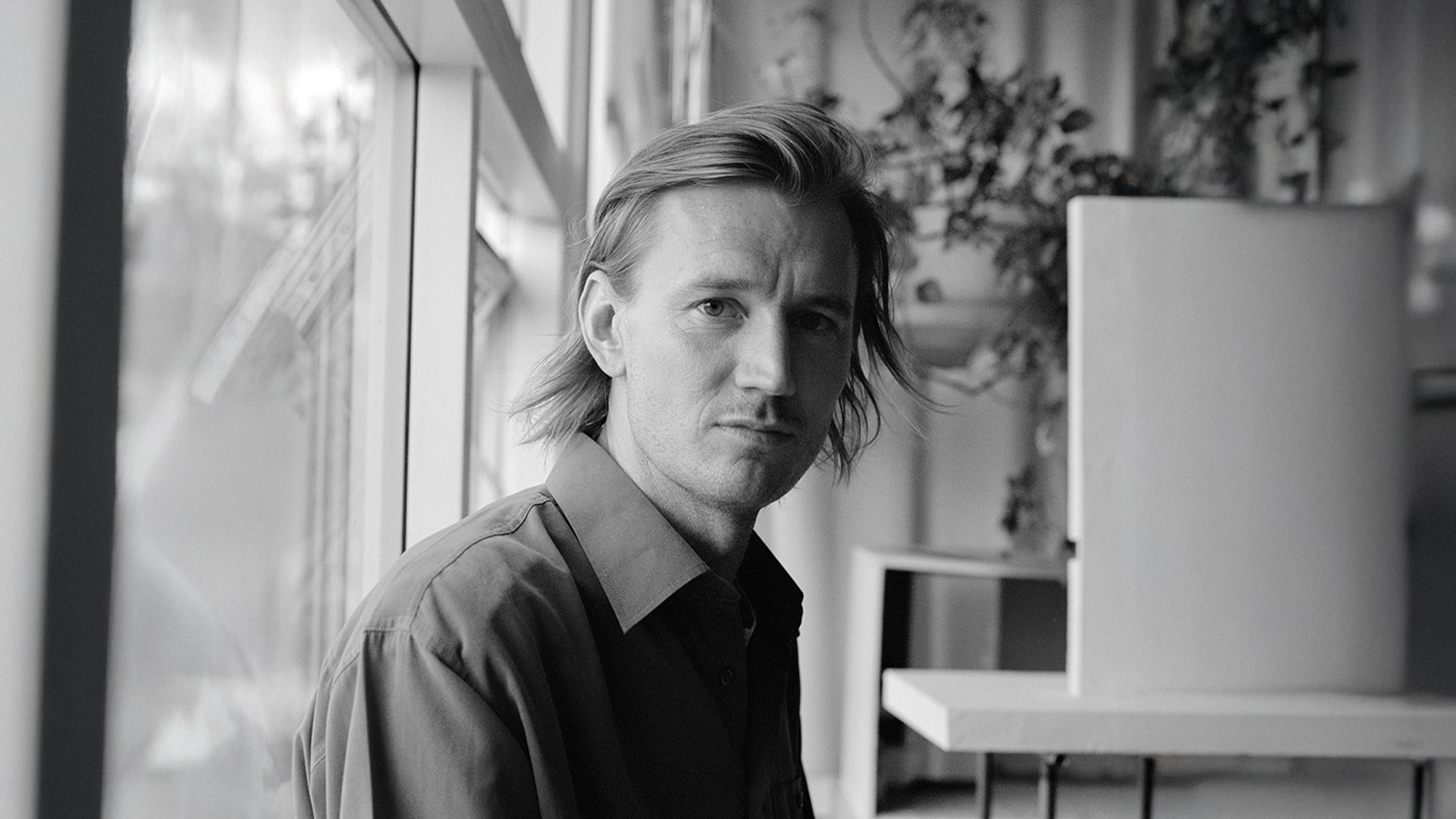
For Søren Pihlmann, architecture does not arise from the need to build something new, but from the ability to recognise the potential of what already exists. The Danish architect has made the reuse of materials and the transformation of existing structures the cornerstone of his design approach: before adding, observe; before demolishing, understand; before replacing, ask whether what is already there might take on a new function.
Søren Pihlmann
Venice Architecture Biennale, 2025 | Build of Site
Venice Architecture Biennale, 2025 | Build of Site
Venice Architecture Biennale, 2025 | Build of Site
Venice Architecture Biennale, 2025 | Build of Site
Venice Architecture Biennale, 2025 | Build of Site
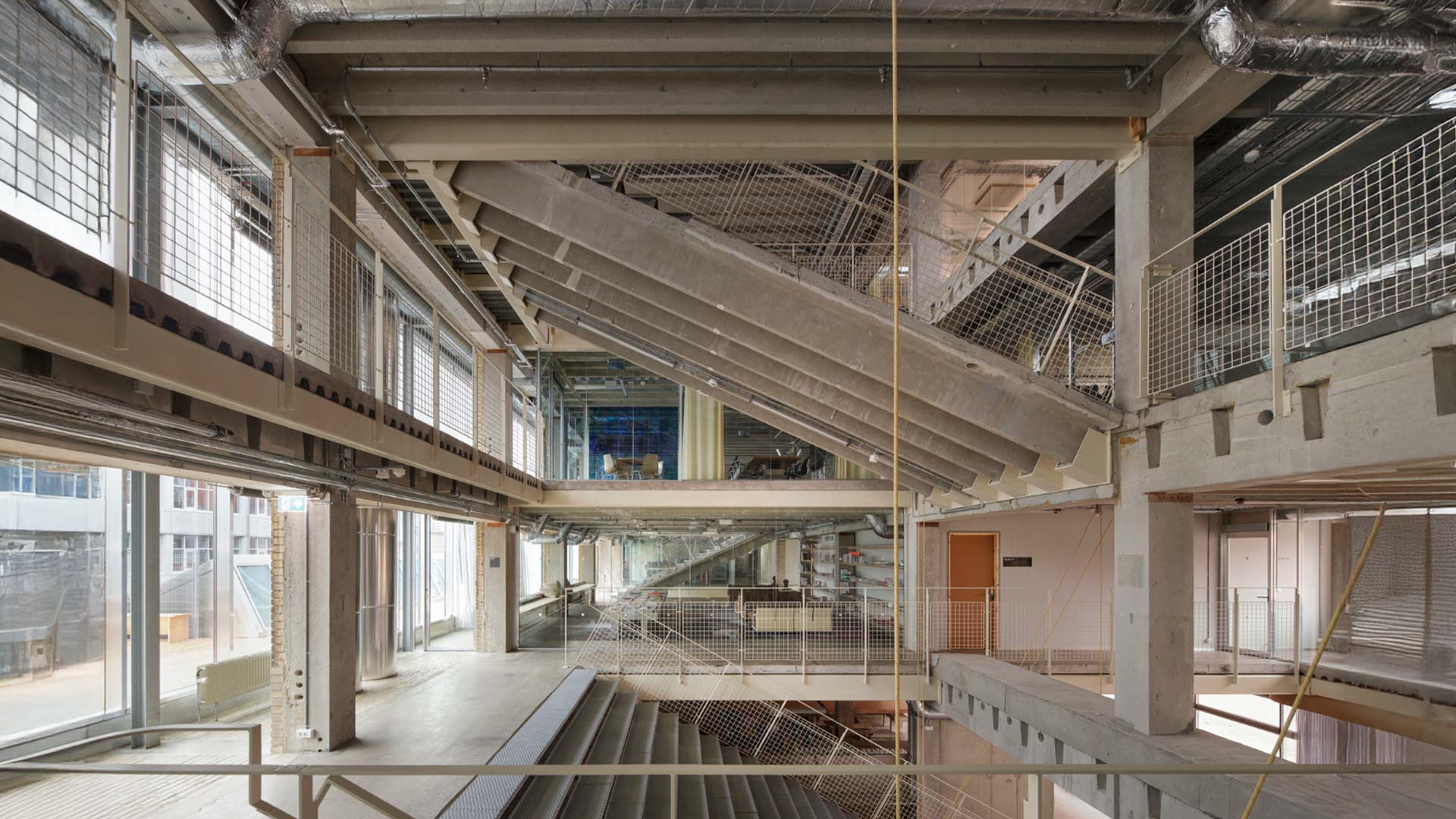
His approach finds one of its most radical expressions at Thoravej 29 in Copenhagen, a former industrial building converted into a cultural centre. Here, Pihlmann treated the building as a veritable ‘bank’ of materials: structural elements, façades, flooring and interior components were dismantled, modified and reassembled. The result is a project in which 95 per cent of the existing materials have been reused or recycled.
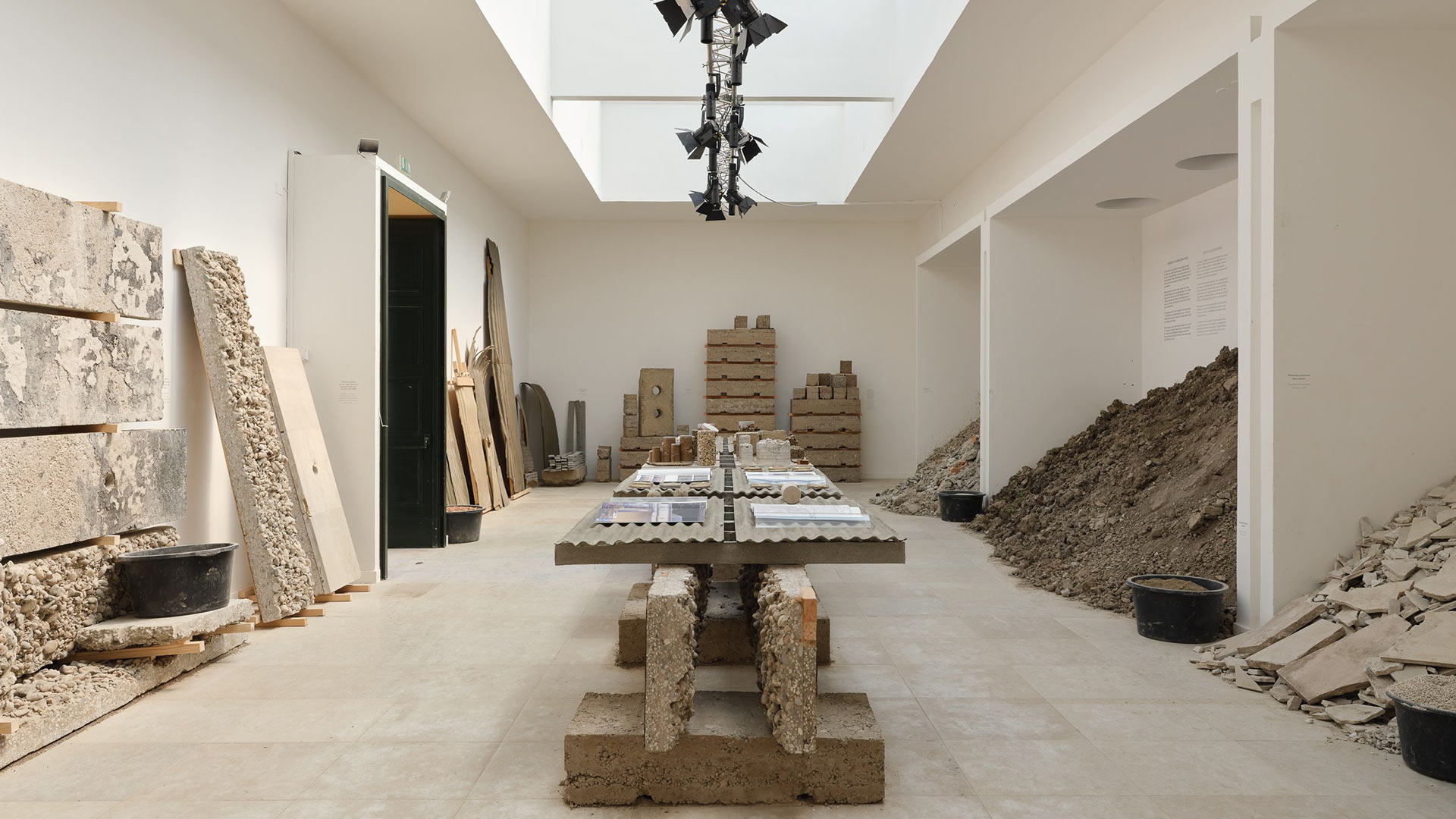
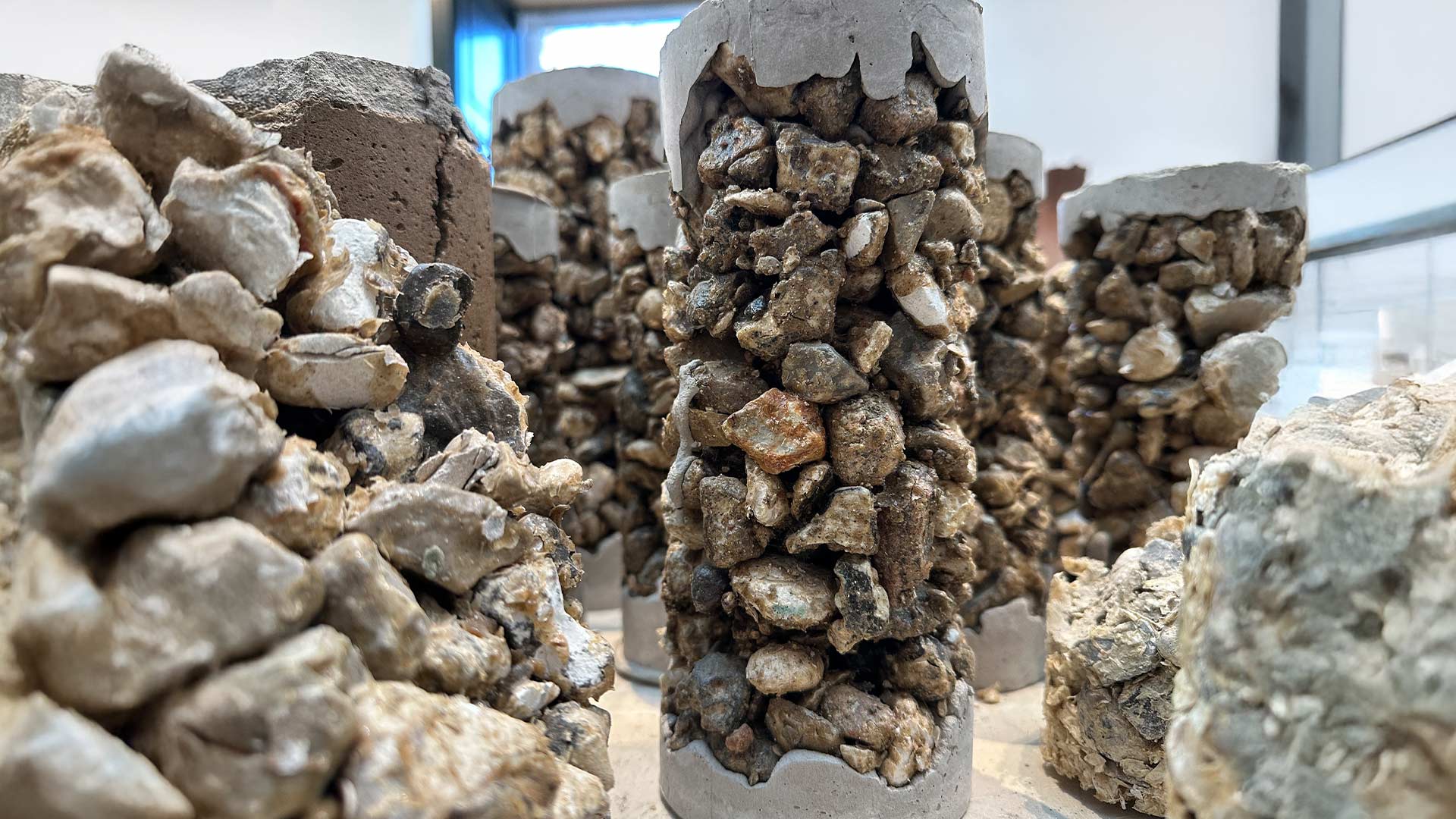
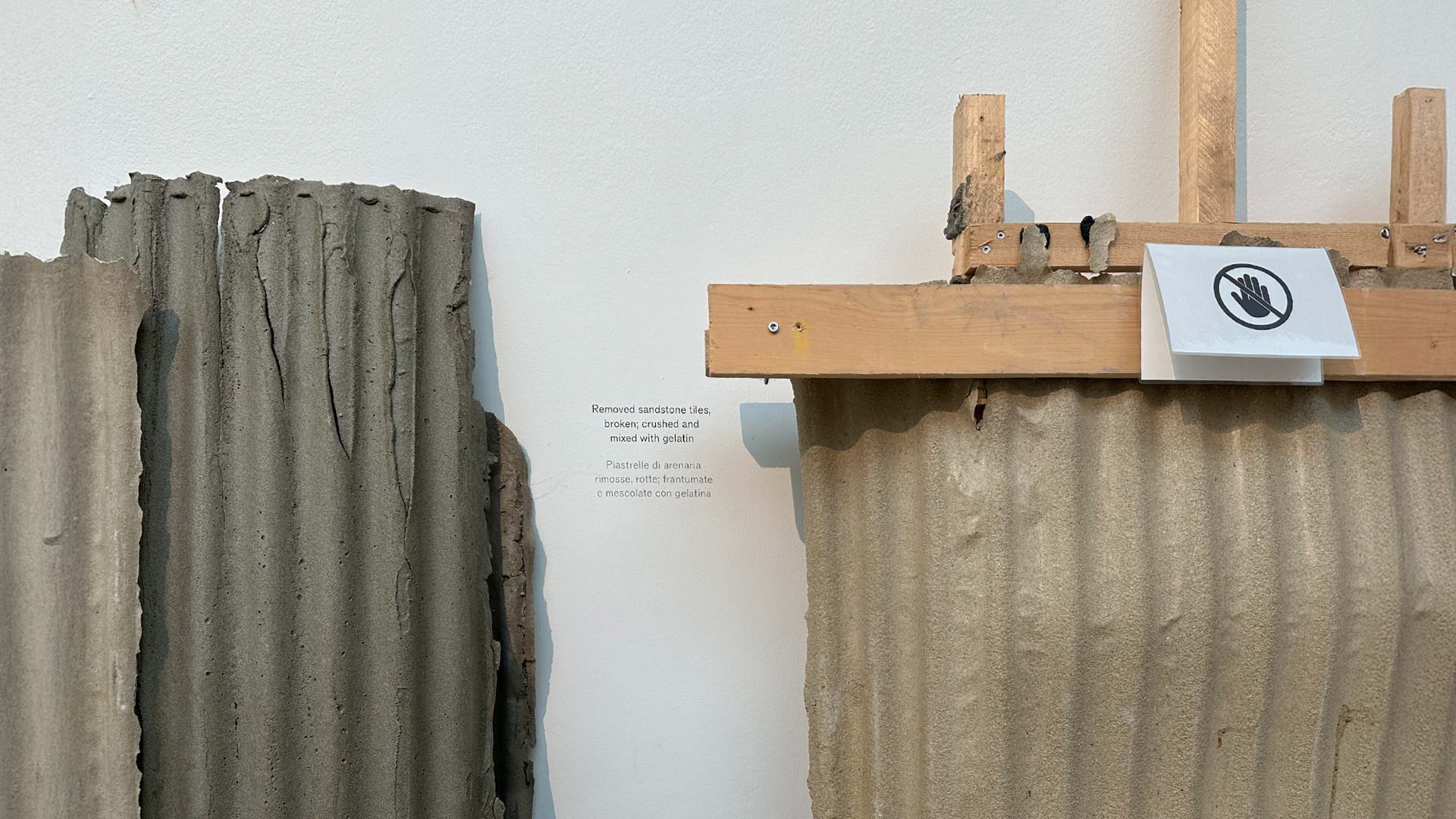
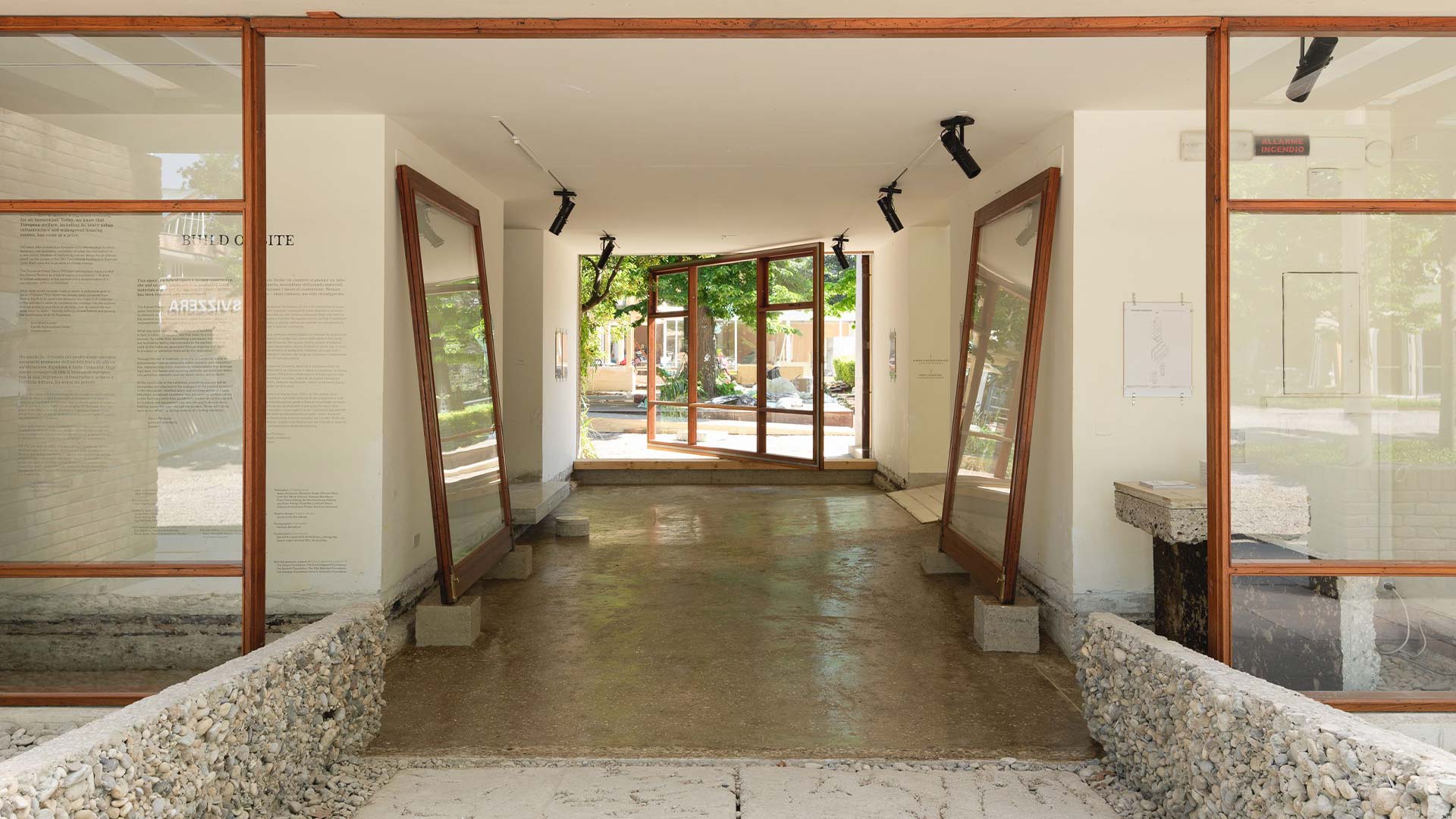
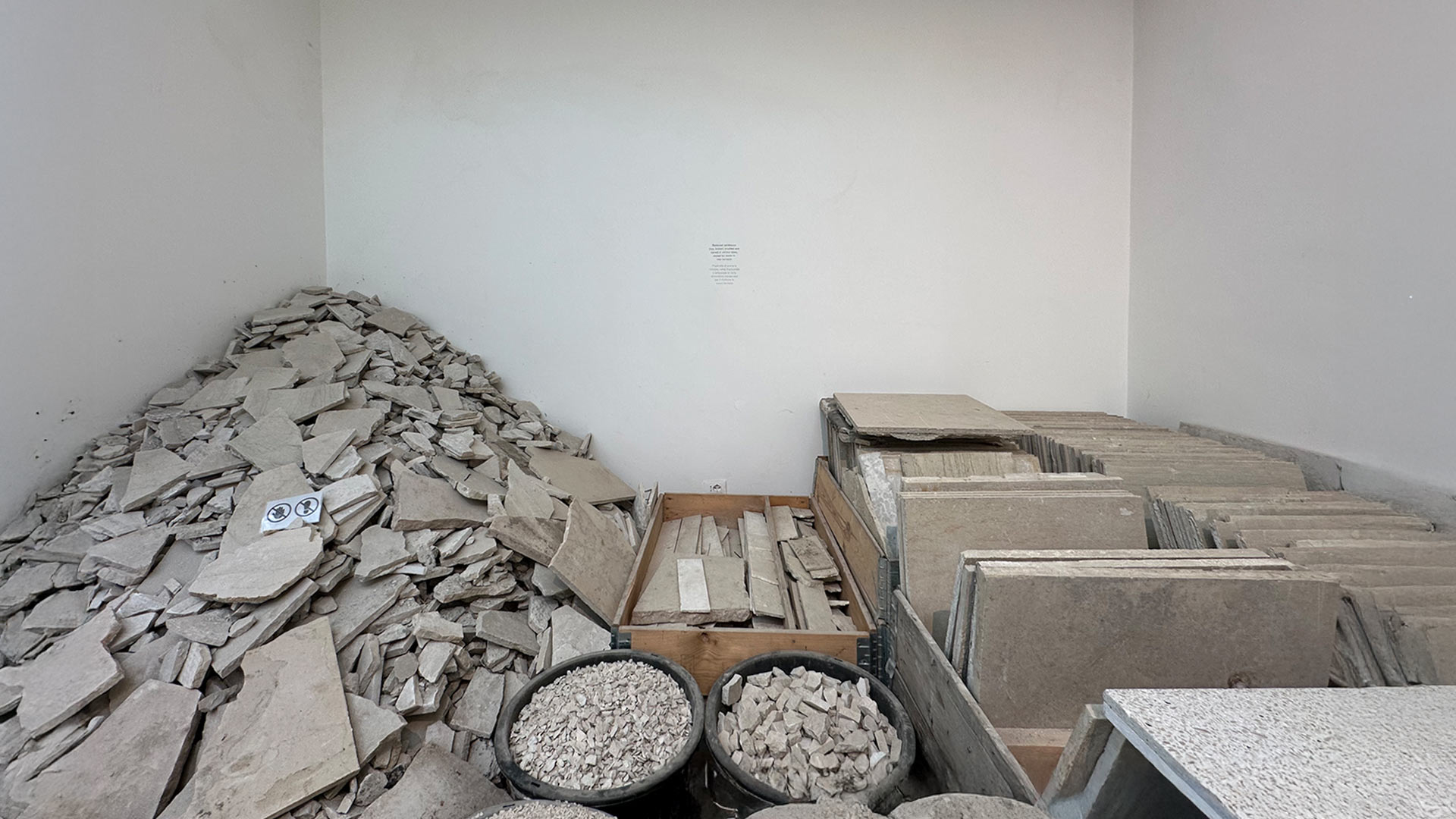
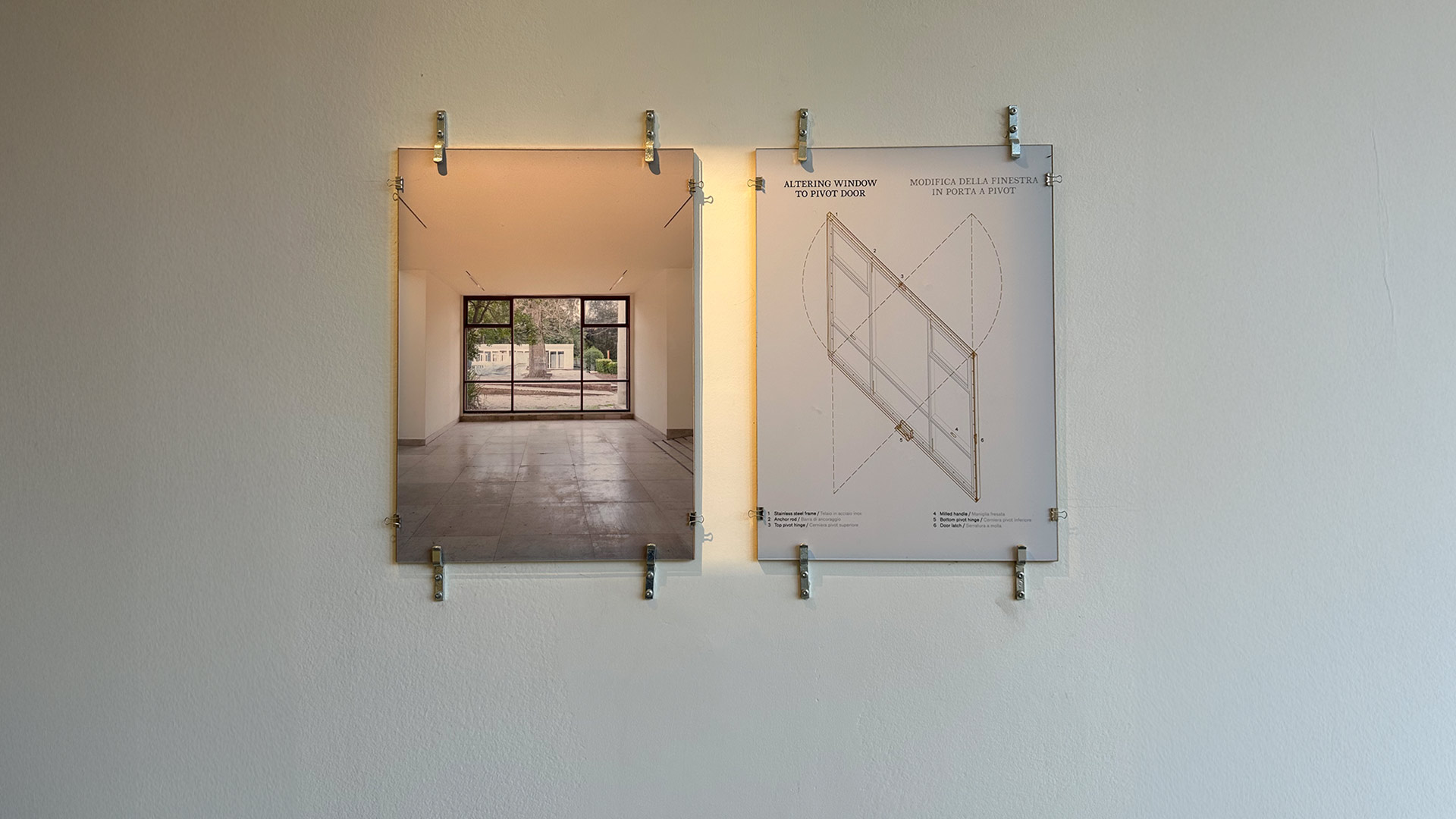
His method takes on an even more striking dimension in the Danish Pavilion at the 2025 Venice Architecture Biennale, curated by Pihlmann in collaboration with Build of Site. Instead of creating a temporary exhibition, the architect has transformed the pavilion itself into an open construction site and experimental laboratory. The materials from the restoration – fragments, offcuts, stone, timber, concrete, earth – become new architectural elements: tables, ramps, seating and surfaces.
It is here that his most radical idea emerges: the project is not a finished object, but a process of transformation. Pihlmann works with what he finds, allowing the physical properties, imperfections and history of the materials to guide his design decisions. This approach replaces the logic of ‘building from scratch’ with that of building using what already exists.
Venice Architecture Biennale, 2025 | Build of Site
Venice Architecture Biennale, 2025 | Build of Site
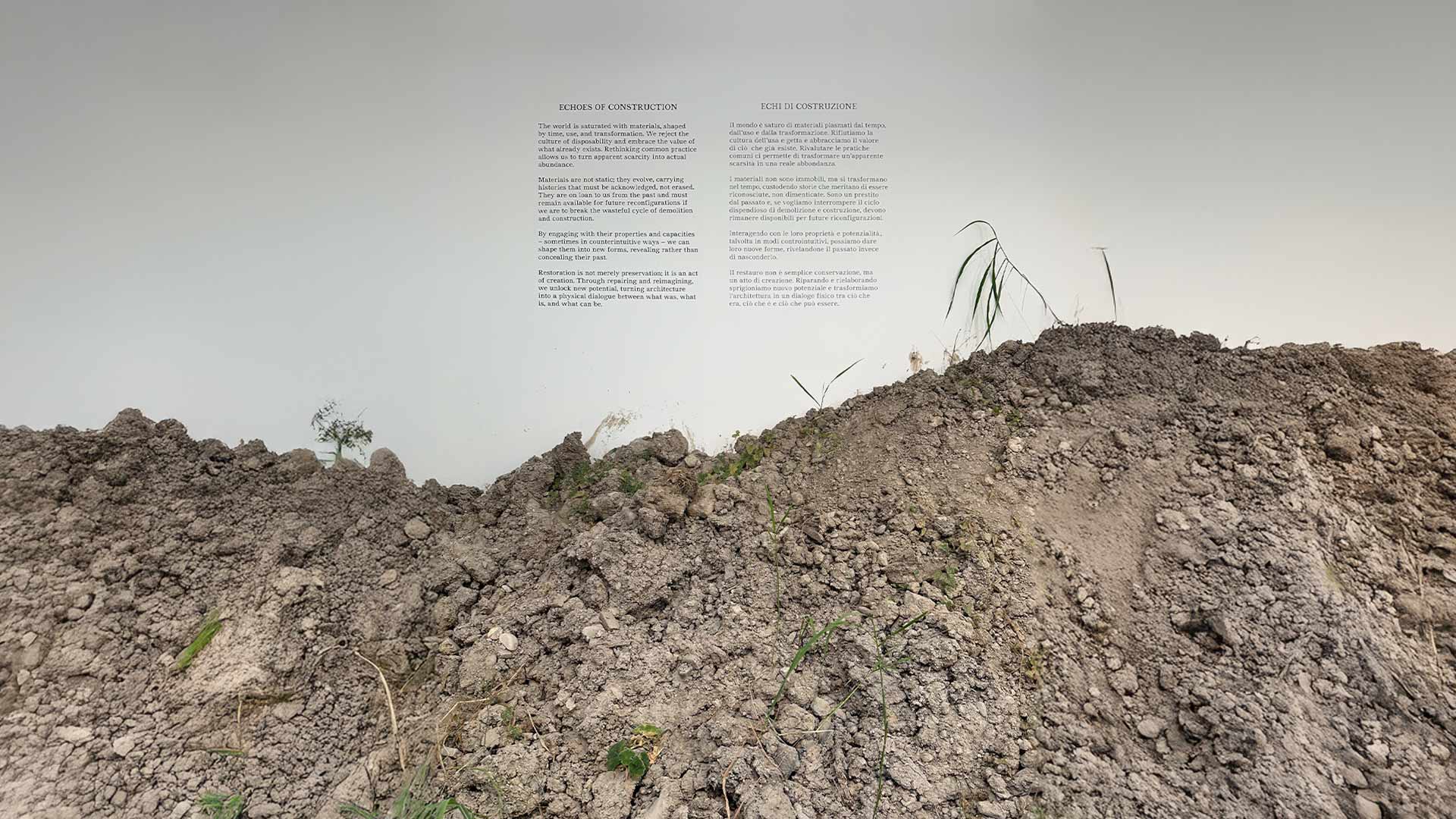
Venice Architecture Biennale, 2025 | Build of Site
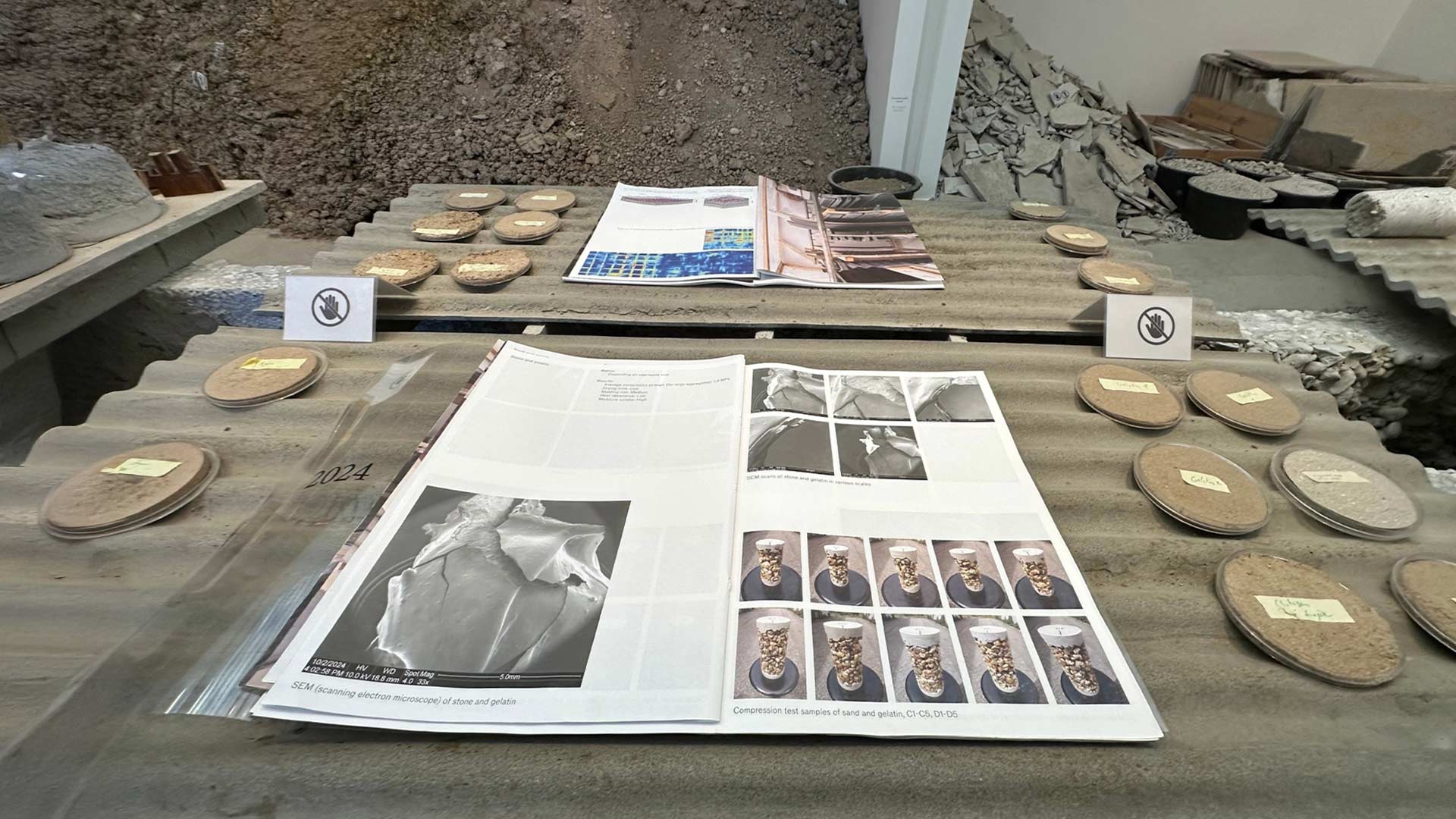
Venice Architecture Biennale, 2025 | Build of Site