


Humanity 2026
The 2026 edition of Seed, design actions for the future explores the concept of Humanity, beginning with what unites its many meanings, from the biological to the ethical dimension: relationship.
Our species is defined through interaction with Otherness—whether another human being, the environment or an ideal entity. Today, however, this fundamental condition is being transformed. Information technologies are reshaping the way we communicate, build relationships and interpret the world. Digital connections expand opportunities for encounter, yet they can also reinforce polarisation and diminish engagement with difference. At the same time, scientific innovation, robotics and artificial intelligence are redefining the relationship between body, mind and technology, changing the way we design, inhabit and live together. Our relationship with the environment is also undergoing profound transformation, shaped by the ecological crisis, competition for resources and new prospects for the exploration of space.
Where do the boundaries now lie between the human, the non-human and the post-human? What kind of humanity will inhabit our cities, territories and worlds beyond? Without yielding either to uncritical techno-optimism or to technophobic narratives, Seed proposes a critical and multidisciplinary exploration, recognising the culture of design as a vital tool for understanding the present and imagining new models of coexistence.
What does it mean to be human in the age of artificial intelligence, the climate crisis and the exploration of space? Today, it is not only technology that is changing: our relationships, the places we inhabit and our role in the world are changing too.
Being human
ENHANCED HUMANITY AND EMBODIED AI
The first trajectory explores the boundaries between human beings and machines, examining the possibilities opened up by techno-scientific innovation in the ongoing evolution of the human condition. It focuses in particular on the enhancement of individuals’ physical, intellectual, cognitive and emotional capacities, together with the spatial and social implications of these developments.
Today we are confronted with a condition of augmented humanity, in which prosthetics, technological implants, neural stimulation and digital interfaces have become an integral part of everyday experience. At the same time, artificial intelligence is taking on a physical dimension, becoming embodied in objects, surfaces and bodies. Our notions of time and space are also evolving within an expanded living environment—the infosphere—where online and offline dimensions increasingly converge. This trajectory also addresses the theme of the loss of humanity, which threatens social cohesion, freedom and fundamental rights.

Key words | Being human
- genetic engineering
- bioengineering
- physical–digital hybridisation
- robotics and biophilic design
- embodied intelligence
- disaffiliation
- body–machine–environment interfaces
- the infosphere
- datafication of reality
- neuroarchitecture
- spatial AI
- Vision-Language-Action models
- dehumanisation
- arbitrariness.
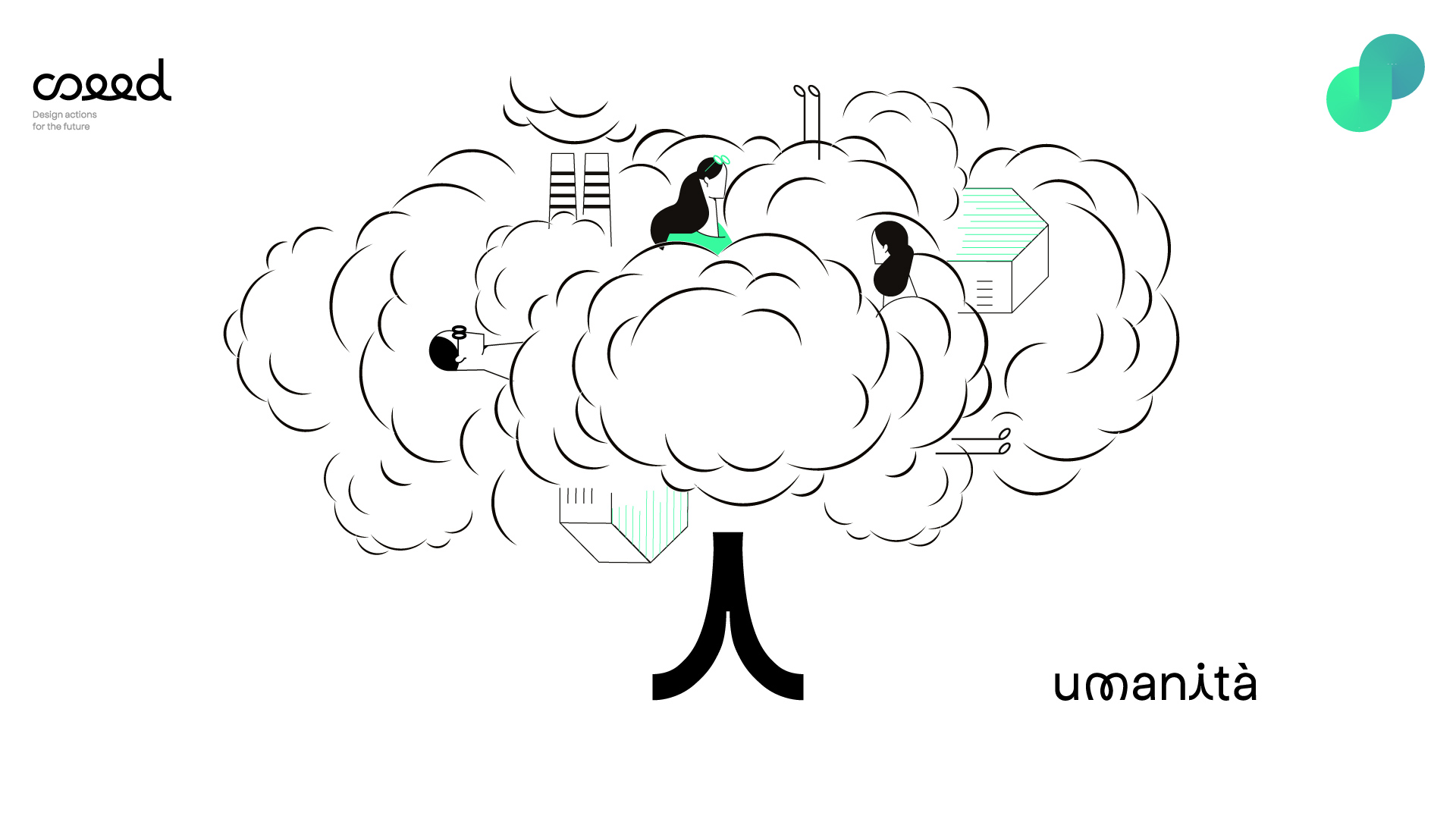
Inhabiting the planet
GLOBAL DYNAMICS AND NEW MODELS OF COEXISTENCE
The second trajectory reflects on the theme of inhabitation at every scale—from the home to public space, from the city to the planet—in the light of today’s major revolutions, transitions and global disruptions. Beyond the smart city paradigm, one of the defining challenges of our time is to design habitats no longer intended exclusively for humans, but capable of integrating plant, animal and artificial intelligences while respecting the planet’s finite resources.
Encouraging human relationships, strengthening social cohesion and interspecies cooperation, making hostile territories—or those made hostile by climate change and conflict—liveable, humanising spaces of care, adapting living environments to new socio-demographic trends such as increased life expectancy and declining birth rates, and addressing humanity’s destructive drive for the control of resources are among the key themes explored within this trajectory.
Alongside these issues lies a question made increasingly urgent by the digital revolution: how is the relationship between communities and artistic and cultural heritage changing as physical and virtual spaces overlap? Within this framework sits the experimental Seed-Art section, dedicated in 2026 to the celebrations marking the 800th anniversary of the death of Saint Francis of Assisi.
Key words | Inhabiting the planet
- ecosystems of coexistence
- service robotics
- Human–Robot Interaction (HRI)
- architectures for vulnerability and care
- climate change
- adaptation strategies
- nature as technology
- emergency architecture
- emerging spatial demands
- new models of employment and development
- urban AI
- city brain
- intelligent mobility
- digital twins
- digital heritage and accessibility
- memory ecosystems
- the geopolitics of scarcity
- the environmental impact of AI.
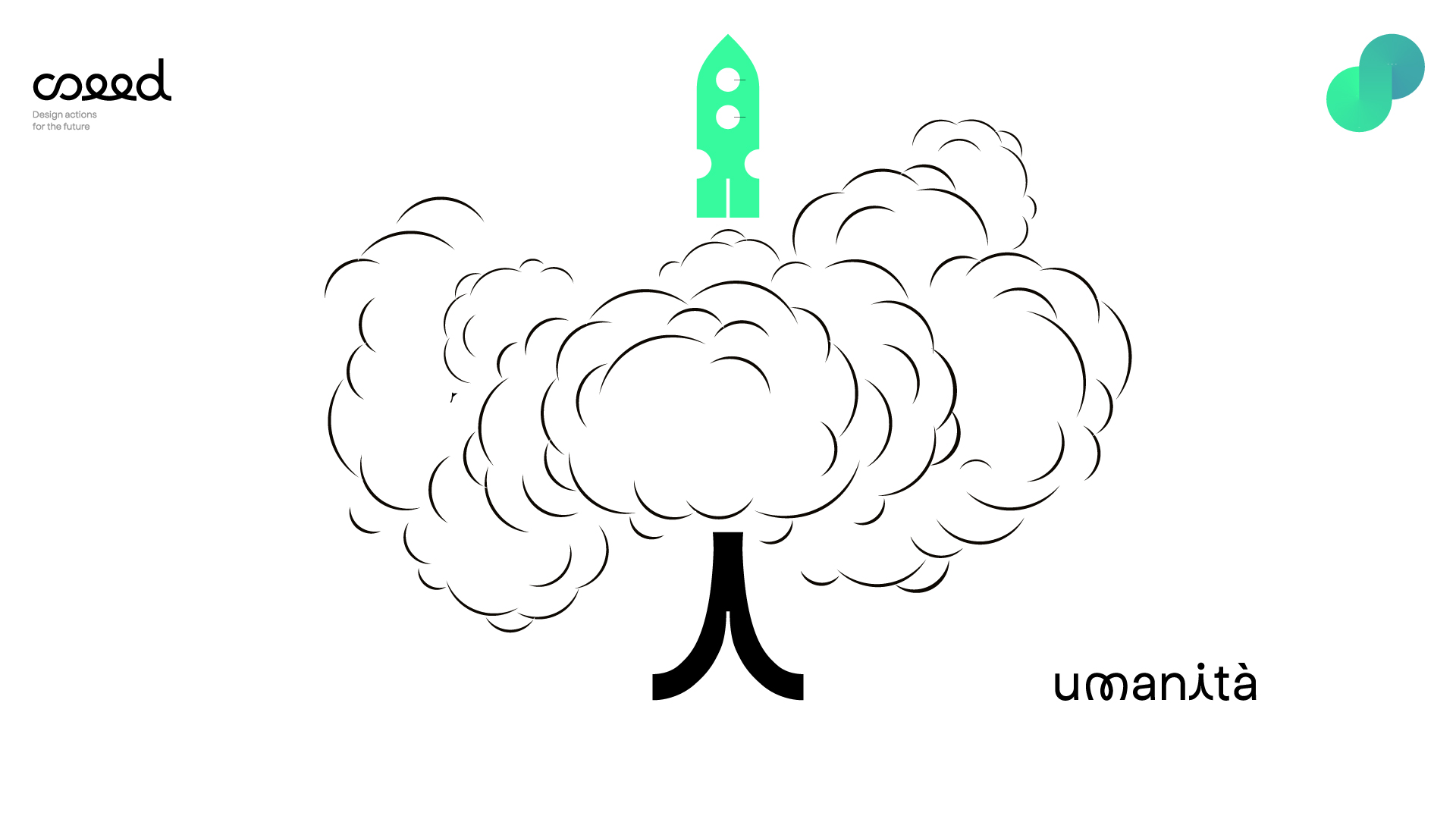
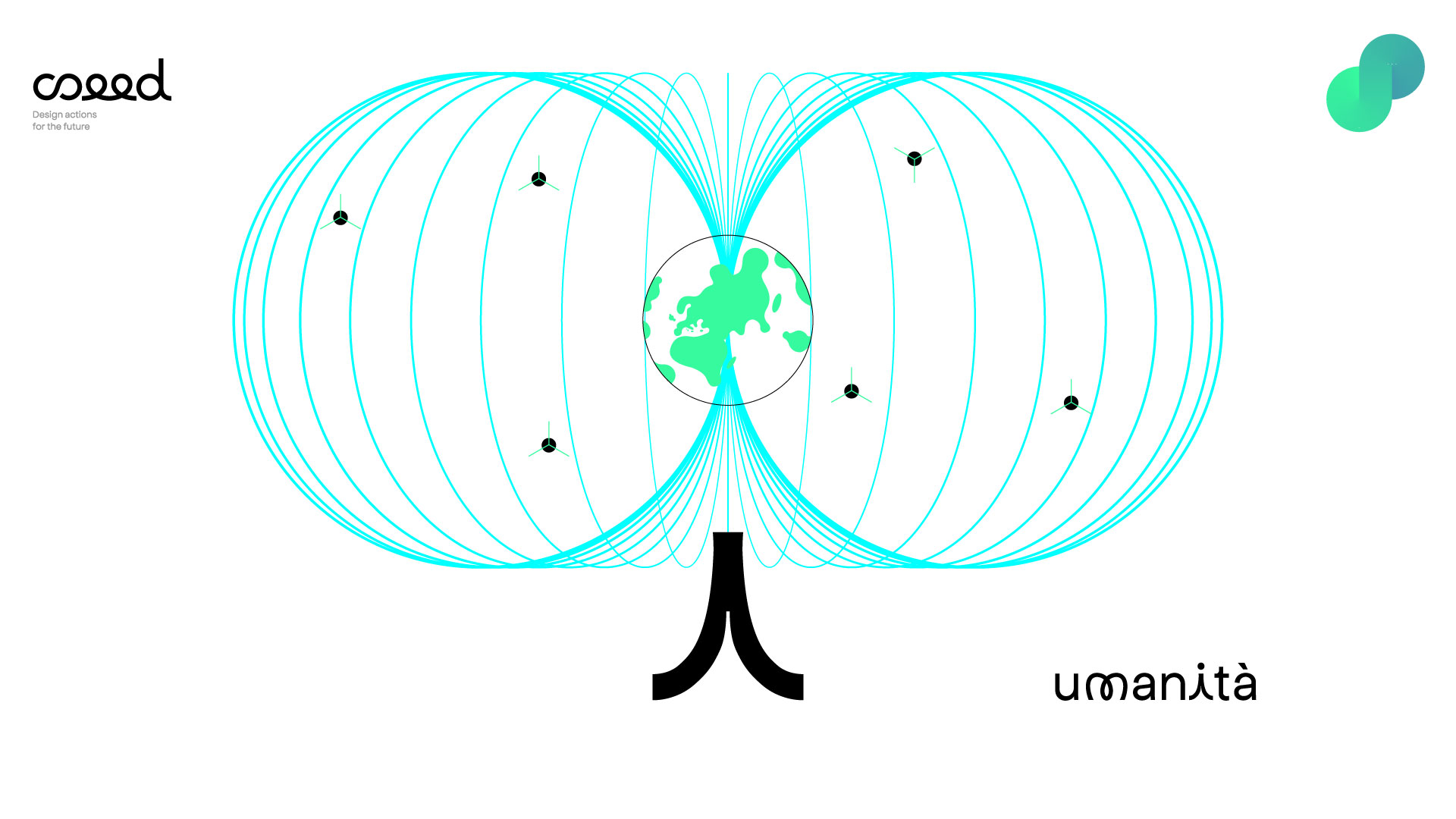
Inhabitating elsewhere
LIFE BEYOND EARTH
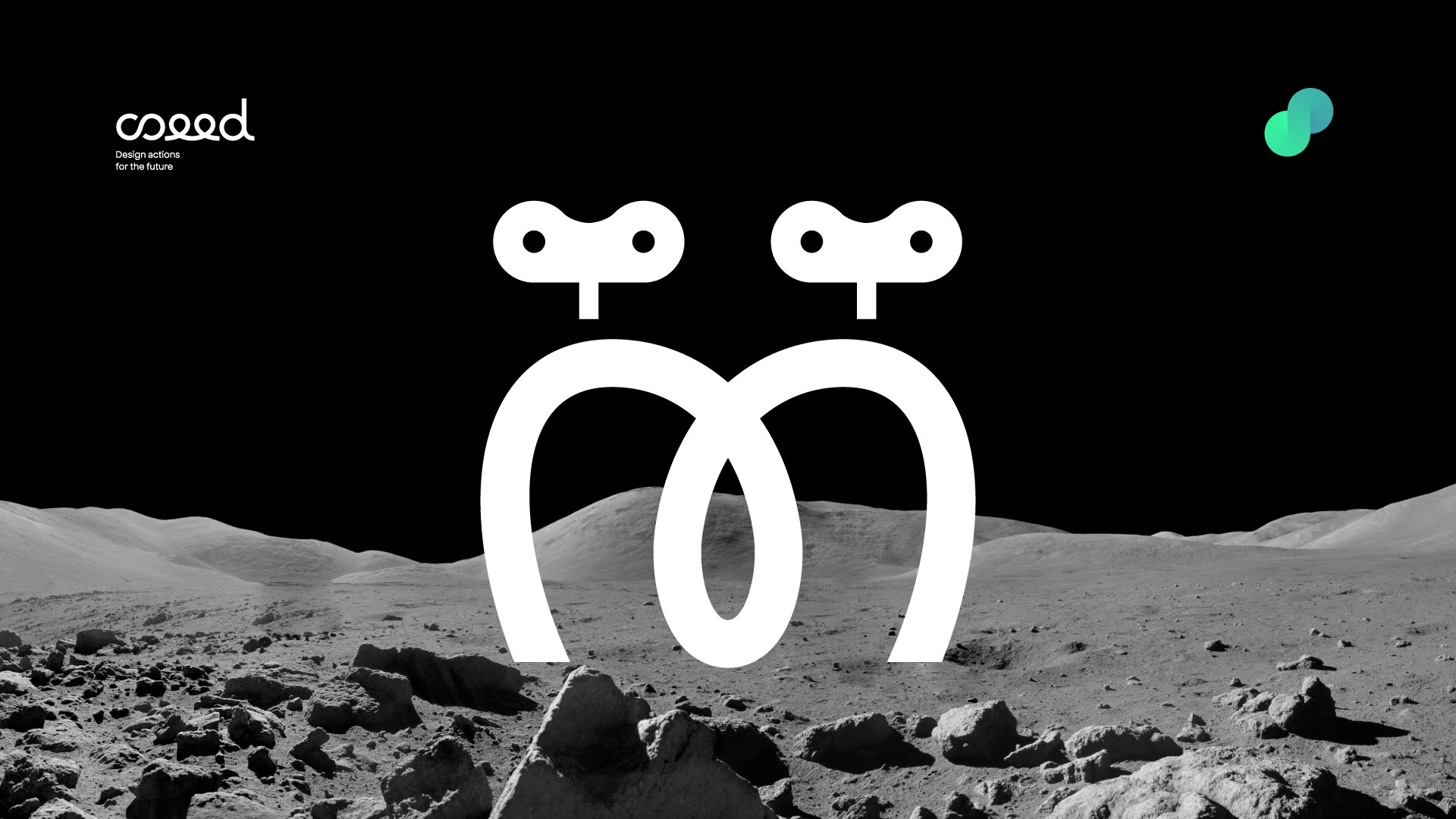
This trajectory explores innovation in the aerospace sector and the economic, territorial, philosophical and social implications of colonising other worlds and living beyond Earth.
Humanity’s drive to transcend its terrestrial origins opens up new design perspectives, encompassing the development of vehicles and habitats for interstellar travel—including spacecraft, shuttles and rovers—the design of space architecture, stations and bases, and ultimately the creation of permanent settlements in extraterrestrial environments. This trajectory also includes the objects and equipment designed to improve quality of life in space and support everyday human activities under extreme conditions.
Key words | Inhabitating elsewhere
- space design
- space habitats and equipment
- resource governance
- the geopolitics of space
- the space race
- the Space Gap.
New power dynamics
OPPORTUNITIES AND RISK IN THE AGE OF AI
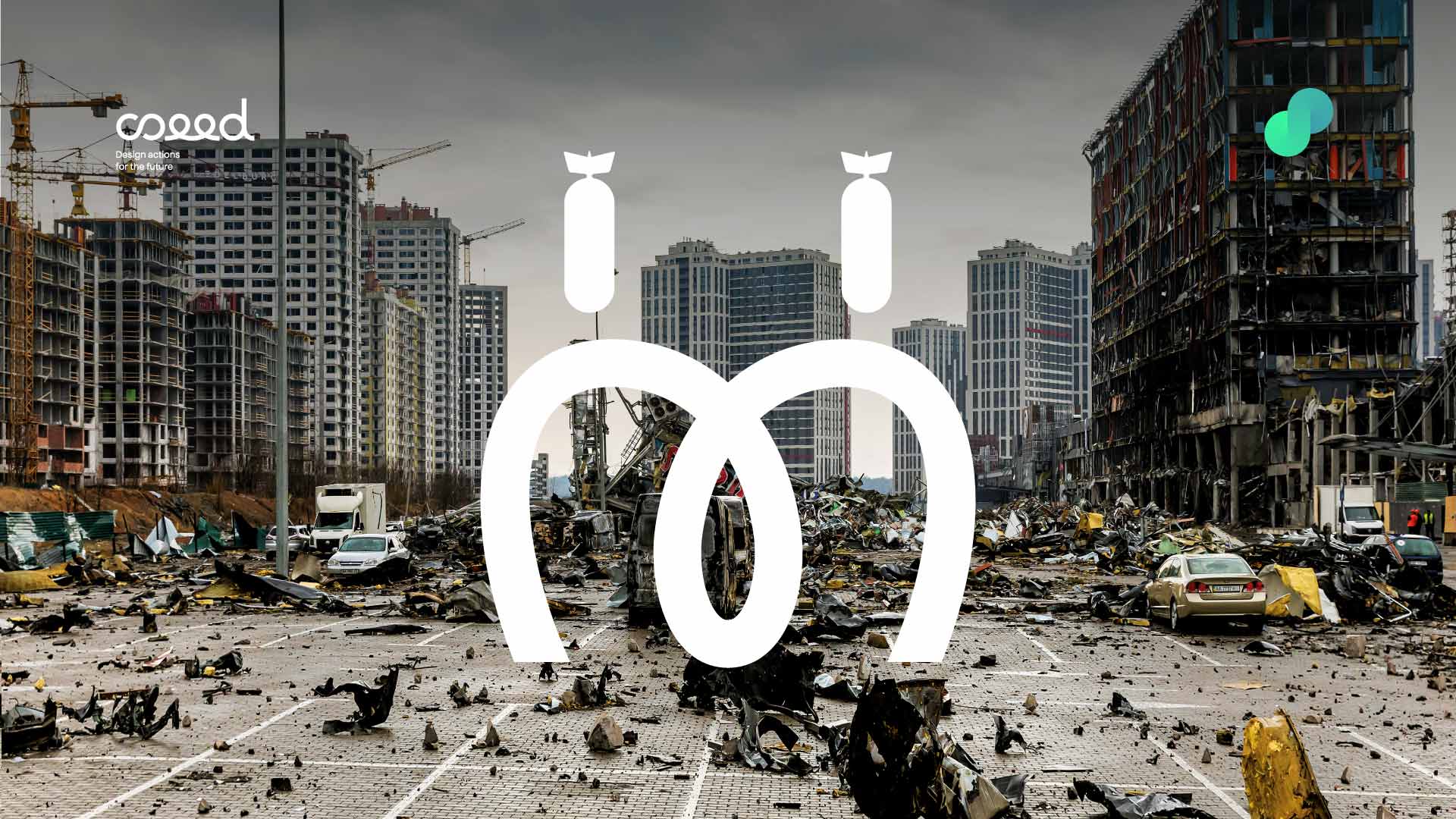
The fourth trajectory examines the emerging systems of power and the often invisible forces that are redrawing global maps and reshaping decision-making hierarchies. At a time when neuroscience, data analytics, algorithmic systems and the control of resources profoundly influence public consent and social behaviour—while also shaping spaces, places and infrastructures—power is no longer defined solely by territory but is increasingly becoming informational in nature.
Key words | New power dynamics
- neuropolitics
- infocracy
- technopopulism
- surveillance capitalism
- data sovereignty
- predictive urban planning
- consent engineering
- digital democracy
- algorithmic ethics
- human-in-the-loop.